

 See My Latest Article on HelloNation
What does budget-friendly home staging actually involve?
Budget-friendly staging is the process of making a home feel clean, spacious, comfortable, and easy to imagine living in without purchasing a house full of new furnishings. The goal is not to create a showroom. It is to remove distractions, improve presentation, and help each room show its practical purpose.
Most effective staging improvements cost little or nothing. Cleaning, decluttering, rearranging furniture, improving lighting, and making small repairs often matter more than decorative upgrades.
For homes in Lake Ozark, seasonal conditions and lake-oriented lifestyles can affect how a property is presented. Entry areas, outdoor spaces, storage, patios, decks, and rooms used for entertaining may deserve particular attention because buyers often want to understand how the home functions for everyday living as well as weekend gatherings.
Which rooms should be staged first?
Start with the spaces that shape a buyer’s first impression and the rooms that influence how large or functional the home feels. In most homes, that means the entry, living room, kitchen, primary bedroom, bathrooms, and outdoor areas.
A practical order is:
- Clear the entryway and front approach.
- Declutter the living room and kitchen.
- Make bedrooms feel calm and appropriately sized.
- Clean bathrooms thoroughly.
- Arrange patios, decks, porches, or balconies for a clear purpose.
- Tidy garages, closets, utility areas, and storage spaces.
This order helps concentrate effort where buyers are most likely to notice changes. A spotless storage closet cannot compensate for an overcrowded living room, but a simple living room arrangement can make the entire home feel more open.
How can a home look larger without remodeling?
The least expensive way to make a home feel larger is to reduce the amount of visible furniture and personal property. A room may be adequately sized, but crowded furniture, large collections, excess wall décor, and packed shelves can make it appear smaller.
Try these adjustments:
- Remove furniture that blocks walkways or windows.
- Leave some open space on shelves and countertops.
- Store extra chairs, side tables, floor lamps, and occasional furniture.
- Group decorative objects instead of displaying them throughout the room.
- Keep pathways clear between major rooms.
- Use the largest remaining pieces to define the room’s purpose.
Furniture should generally be arranged around function rather than pushed tightly against every wall. In a living room, for example, seating can face a central focal point while preserving a visible path through the space.
If furniture must be stored, avoid placing it in a garage or storage room so tightly that buyers cannot inspect the area. A partially empty storage space usually communicates more useful information than one filled from floor to ceiling.
What should be removed before listing a home?
Remove items that are highly personal, visually distracting, damaged, or difficult to keep clean. This does not mean the home needs to be characterless. It means the setting should allow buyers to notice the property itself.
Consider packing or storing:
- Collections and large displays
- Excess family photographs
- Political or highly personal signs
- Seasonal decorations that are not current
- Worn rugs, broken lamps, and damaged décor
- Extra small appliances
- Clothing that makes closets look full
- Toiletries and medications from bathroom counters
- Pet supplies that can be temporarily relocated
Buyers need to see storage capacity, counter space, flooring, wall condition, and natural light. Personal belongings can compete with those features, especially in photographs.
How should kitchens and bathrooms be staged on a small budget?
Kitchens and bathrooms benefit most from cleanliness, order, and reduced visual clutter. Expensive upgrades are not always necessary if the surfaces, fixtures, and storage areas appear well maintained.
In the kitchen, clear most items from the counters. Keep only a few useful or attractive pieces, such as a cutting board, a bowl of produce, or a simple container of cooking utensils. Clean cabinet fronts, appliance surfaces, backsplash areas, and the space around the sink.
Check for small issues buyers may notice quickly:
- Loose cabinet hardware
- Burned-out light bulbs
- Dripping faucets
- Stained caulk
- Greasy range hoods
- Full trash containers
- Overfilled refrigerator doors
In bathrooms, remove personal products and clean mirrors, shower doors, grout, fixtures, and floors. Fresh, matching towels can improve the appearance, but new accessories are optional. A clear vanity and an uncluttered shower often create more impact than decorative additions.
Avoid using heavy fragrance to mask odors. Strong scents may suggest that a problem is being covered rather than resolved. Cleaning, ventilation, and addressing the source of an odor are more reliable solutions.
How can lighting improve the presentation?
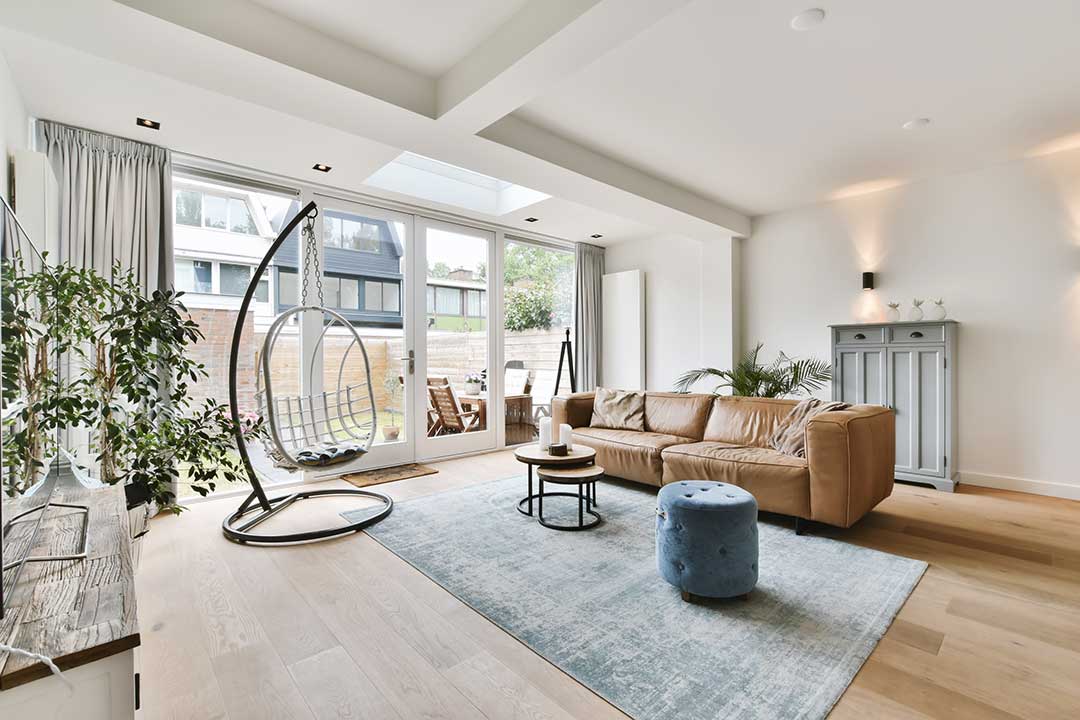
Good lighting makes rooms easier to evaluate and can affect how clean and spacious they appear. Replace burned-out bulbs, clean dusty fixtures, and open curtains or blinds before photographs and showings.
Use a consistent approach within each room. A mixture of very warm and very cool bulbs can make the space look uneven in photographs. If replacing bulbs, choose similar color temperatures and appropriate brightness for the fixture.
During daylight hours:
- Open curtains and blinds.
- Remove objects blocking windows.
- Clean accessible window glass.
- Turn on lights in darker rooms.
- Keep lamps positioned where they provide useful illumination.
In homes with shaded lots, mature trees, covered porches, or rooms that receive limited daylight, lighting deserves extra attention. A bright, orderly room can feel more inviting than one decorated with expensive items but left dim.
What should be done with outdoor spaces?
Outdoor areas should be clean, safe, and easy to understand. Buyers do not need elaborate landscaping to recognize how a deck, patio, porch, or yard might be used.
Sweep hard surfaces, remove leaves and debris, clean outdoor furniture, and trim vegetation that blocks paths or windows. Store hoses, tools, toys, and recreational equipment neatly. If a space is large enough for seating or dining, arrange a small grouping that demonstrates its purpose without overcrowding it.
Because weather conditions around Lake Ozark can bring heat, humidity, storms, and seasonal debris, inspect exterior areas for peeling paint, loose screens, clogged gutters, slippery surfaces, or damaged outdoor materials. These conditions may be more noticeable during a showing than during a quick walk-through by the owner.
Safety problems should not be disguised with staging. Repair or address hazards such as unstable railings, exposed wiring, broken steps, or loose flooring before inviting buyers into the area.
Should every room have furniture?
Every room should communicate a clear use, but not every room needs to be fully furnished. An empty room may appear smaller or leave buyers uncertain about its purpose. At the same time, too much furniture can make the home feel cramped.
A spare bedroom might need only a bed, a small table, and limited décor. A bonus room could be presented as an office, recreation area, exercise space, or flexible room, depending on its layout. Choose the use that fits the room naturally rather than forcing a setup that makes the space difficult to walk through.
If a room has an unusual shape, use furniture placement to show how the space can function. Keep corners, doorways, windows, and built-in features visible.
What inexpensive improvements are usually worth considering?
Prioritize improvements that affect cleanliness, function, or first impressions. Reasonable low-cost projects may include:
- Touching up scuffed walls with matching paint
- Replacing outdated or damaged switch plates
- Tightening cabinet and door hardware
- Deep-cleaning floors and baseboards
- Washing exterior doors and accessible siding
- Replacing torn screens or worn weatherstripping
- Adding fresh, neutral bedding
- Cleaning ceiling fans and vents
- Removing weeds from visible planting areas
Avoid spending heavily on trendy décor, highly specific paint colors, permanent improvements, or furnishings that may not fit the home after the sale. Staging should support the property’s existing strengths rather than conceal major condition issues.
How can sellers stage a home using items they already own?
Begin by gathering belongings from every room and sorting them into four groups: keep in place, move elsewhere, store, or discard. Items often look excessive because they are spread across several rooms. Consolidating books, décor, kitchen equipment, and clothing can quickly improve organization.
Use existing furniture selectively. A neutral blanket, simple artwork, or clean basket may be enough to finish a room. Rearranging lamps, chairs, mirrors, and tables can change how a space feels without requiring purchases.
Before photographs or showings, complete a final walk-through from a buyer’s perspective. Check whether the front door opens easily, hallways are clear, windows are visible, lights work, bathrooms are orderly, and each room has an obvious purpose. The most successful low-budget staging usually comes from making the home easier to see, understand, and move through.